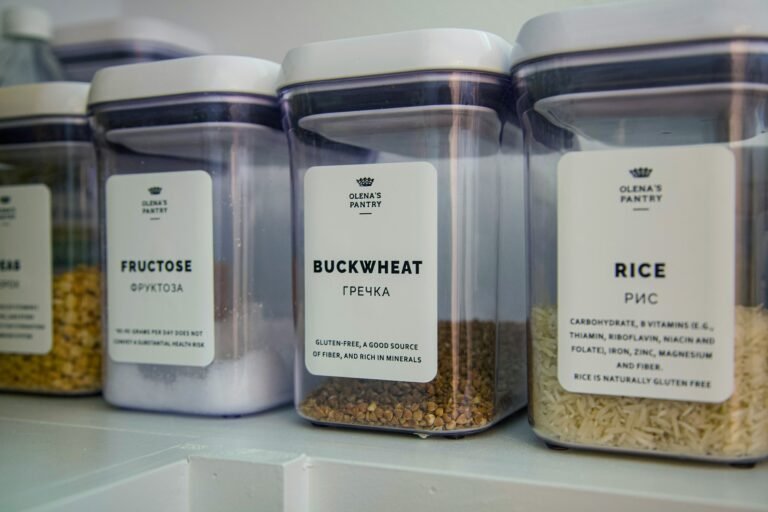
The Self-Serve Kitchen: Teaching Kids Autonomy Through Environmental Design
One of the most frequent interruptions a Household CEO faces is the constant request for snacks, water, or a simple breakfast. While it seems like a small task to grab a juice box or peel an orange, these micro-interruptions create a state of “context switching” that kills your productivity and increases your stress.
To reclaim your time and build a high-functioning home, you must move from being the “Server” to being the “Architect.” By implementing a Self-Serve Kitchen System, you use Environmental Design to foster autonomy in your children, turning “Can you get me…?” into “I’ve got it.”
The Science: Scaffolding and Self-Efficacy
In developmental psychology, the concept of Scaffolding (introduced by Lev Vygotsky) refers to the support given to a child as they learn a new skill. As the child gains competence, the support is gradually removed.
A self-serve kitchen is a physical form of scaffolding. It doesn’t just “give” them food; it provides the structure they need to manage their own nutrition successfully. This builds Self-Efficacy—the belief in one’s own ability to handle tasks. Research shows that children with higher self-efficacy are more resilient, better at problem-solving, and more likely to take initiative in other areas of life, like school and chores.
Step 1: The “Vertical Shift” (Accessibility)
The biggest barrier to a child’s independence in the kitchen is height. If the healthy snacks are on the top shelf, they must ask you for help.
- The System: Designate a “Kids’ Zone” in the bottom drawer of the refrigerator and a low-level cabinet or bin in the pantry.
- The Execution: Fill these zones with pre-washed, portioned snacks that are “approved” by you. By controlling the options available at their level, you automate their healthy choices without needing to supervise every bite.
Step 2: The Hydration Station
Constant requests for water or milk are a primary source of friction in the kitchen.
- The System: Use a bottom-loading water dispenser or a filtered pitcher that is light enough for a child to handle.
- The Layout: Store child-safe cups and water bottles in a low drawer directly next to the water source. This creates a “Point-of-Use” workflow that allows the child to stay hydrated without parental intervention.
Step 3: The Breakfast “Mise en Place”
The morning rush is the ultimate test of a family’s operating system.
- The System: Create a “Breakfast Tray” or a specific shelf in the pantry that contains everything for a simple, healthy meal (e.g., cereal dispensers, whole-grain bread, nut butters).
- The Logic: By grouping all breakfast components in one accessible location, you reduce the physical “steps” required to make a meal. This makes it easy for even a 5-year-old to manage their own morning routine.
Step 4: Visual Cues for “When” and “How Much”
Autonomy requires boundaries. Without them, a self-serve kitchen becomes an all-day buffet.
- The Visual Signal: Use a simple “Traffic Light” system or a daily snack bin. Once the bin for the day is empty, the kitchen is “closed” for snacks until the next meal.
- The Lesson: This teaches the child Self-Regulation and delayed gratification, two essential skills for their future Family Wealth and personal success.
The ROI: From Manager to Mentor
When you automate the “low-value” tasks of feeding and hydrating your children, you aren’t just saving 20 minutes a day. You are shifting your role from “Kitchen Staff” to “Household CEO.” You gain the mental space to have meaningful conversations with your kids rather than just managing their immediate physical needs.
Building an autonomous environment is the ultimate gift you can give your family. You are raising individuals who know how to navigate their world with confidence, starting right at the kitchen counter.