The Inventory-First Kitchen: Designing a Just-in-Time Meal System
“The ‘5 PM Panic’ isn’t a lack of cooking skill—it is a supply chain failure.”
In the manufacturing world, companies use a strategy called Just-in-Time (JIT) Production. They don’t store massive amounts of raw materials that might go to waste; they keep exactly what they need to fulfill orders.
Most households do the opposite. We “shop the sales,” fill our pantries with random ingredients we might use, and then stand in front of a full refrigerator at 5:00 PM wondering what on earth to make for dinner. To reclaim your time and sanity, you need to stop meal planning around recipes and start planning around your Kitchen Inventory System.
1. The Warehouse vs. The On-Site Inventory
Think of the grocery store as your Warehouse and your kitchen as your Production Site.
- The Warehouse (Store): Holds everything. You only go here to replenish what is missing.
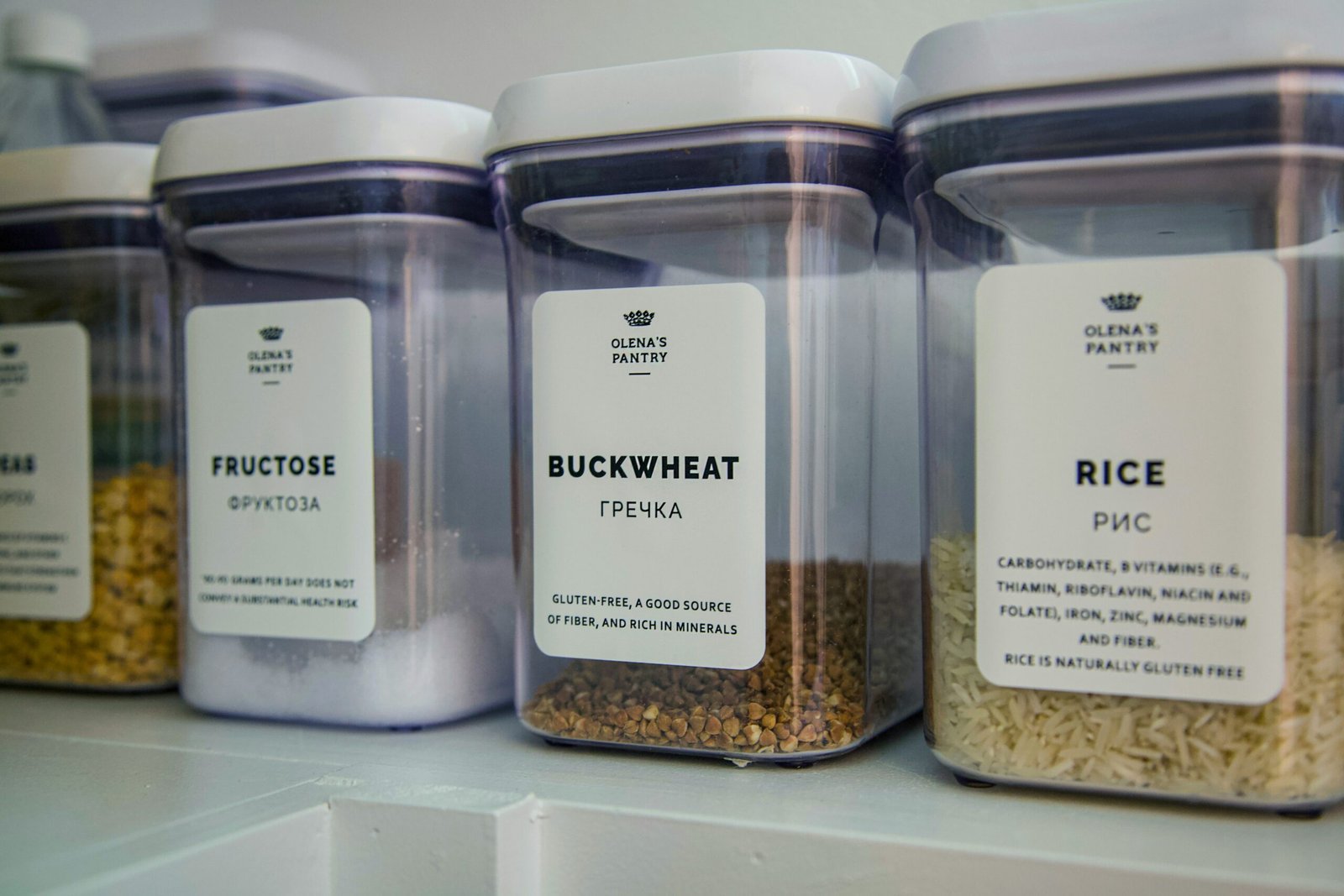
- The Production Site (Your Kitchen): Should only hold your “High-Rotation” items.
When you overstock “just in case” items, you create Visual Noise. You can’t see the ingredients for a simple pasta dish because they are hidden behind a jar of artichoke hearts you bought three years ago.
2. Establishing “Par Levels”
In professional kitchens, chefs use Par Levels—the minimum amount of an item that must be on hand at all times.
- If your “Par Level” for eggs is 6, the moment you have 5, it goes on the inventory list.
- This removes the mental load of “remembering” what you need. The system tells you what to buy before you run out.
3. The “High-Rotation” Meal Framework
Efficiency in the kitchen doesn’t come from 30-step gourmet recipes found on Pinterest. It comes from having 5-7 “High-Rotation” meals that your family loves, and that use ingredients you always keep in stock.
By automating these 5-7 meals, you ensure that even on your busiest Tuesday, the “raw materials” are already in the building. You aren’t deciding what to cook; you are simply executing the production plan.
4. The 10-Minute Weekly Audit
Before you open a grocery app or step into a store, perform a “Stock Take.”
- Check the Perishables: What needs to be used now?
- Verify the Staples: Are we below Par Level on flour, oil, or pasta?
- The “Gap” Shop: Only buy the specific items needed to bridge the gap between your current inventory and next week’s production plan.
The Architect’s Kitchen
A systematized kitchen is a quiet kitchen. When you move from “What’s for dinner?” to “The system is stocked,” you eliminate the primary source of household friction. You are no longer a short-order cook; you are the Director of Operations.