The Evening Shutdown: A 10-Minute Protocol to Secure Tomorrow’s Success
In the world of high-performance computing, an “Orderly Shutdown” is essential for the system to reboot the next morning correctly. If the power is simply cut, files get corrupted, and the restart is slow and prone to errors. As the Household CEO, you must view your home in the same way. The chaos of a “rushed morning” is almost always the result of a failed shutdown the night before.
To eliminate morning friction, you don’t need to wake up at 5:00 AM. You need a 10-Minute Evening Shutdown. This is a strategic “closing of the books” that ensures your home is “staged” for a high-velocity start.
The Science: The Zeigarnik Effect and Sleep Quality
We have previously discussed how unfinished tasks (open loops) create mental tension. In the context of sleep, this is critical. A study from the Journal of Experimental Psychology found that writing down a specific “To-Do” list for the next day helps people fall asleep significantly faster than those who don’t.
By performing a physical “Shutdown,” you are sending a signal to your brain that the “Operations Phase” of the day is over and the “Recovery Phase” has begun. You aren’t just tidying; you are performing Cognitive Offloading to improve your sleep hygiene.
Step 1: The “Kitchen Zero” Protocol
The kitchen is the engine room of the home. Starting the day with a sink full of dishes is like starting a race with a flat tire.
- The System: The shutdown isn’t complete until the “Big Three” are done: Counters wiped, sink emptied, and the dishwasher started.
- The Automation: This creates a “Clean Slate” for your 15-Minute Meal Framework the next morning.
Step 2: Staging the “Launchpad”
As we discussed in Article 12, the Launchpad is your exit system. The evening shutdown is when the “payload” is loaded.
- The Execution: Check the Single Source of Truth (the digital hub). Pack the bags, set out the shoes, and place any “out-of-the-ordinary” items directly in the path of the door.
- The ROI: This saves you approximately 100 “Micro-Decisions” during the high-stress morning window.
Step 3: The “Point-of-Use” Breakfast Stage
Don’t just plan breakfast; stage it.
- The System: If you use a coffee maker, set the timer. If the kids use the Self-Serve Kitchen, ensure the bowls and spoons are accessible.
- The Goal: You want to be able to navigate your kitchen in a “low-power” state. The less you have to “think” during the first 30 minutes of the day, the more mental energy you have for the rest of it.
Step 4: The Digital “Brain Dump”
The final step is the mental shutdown.
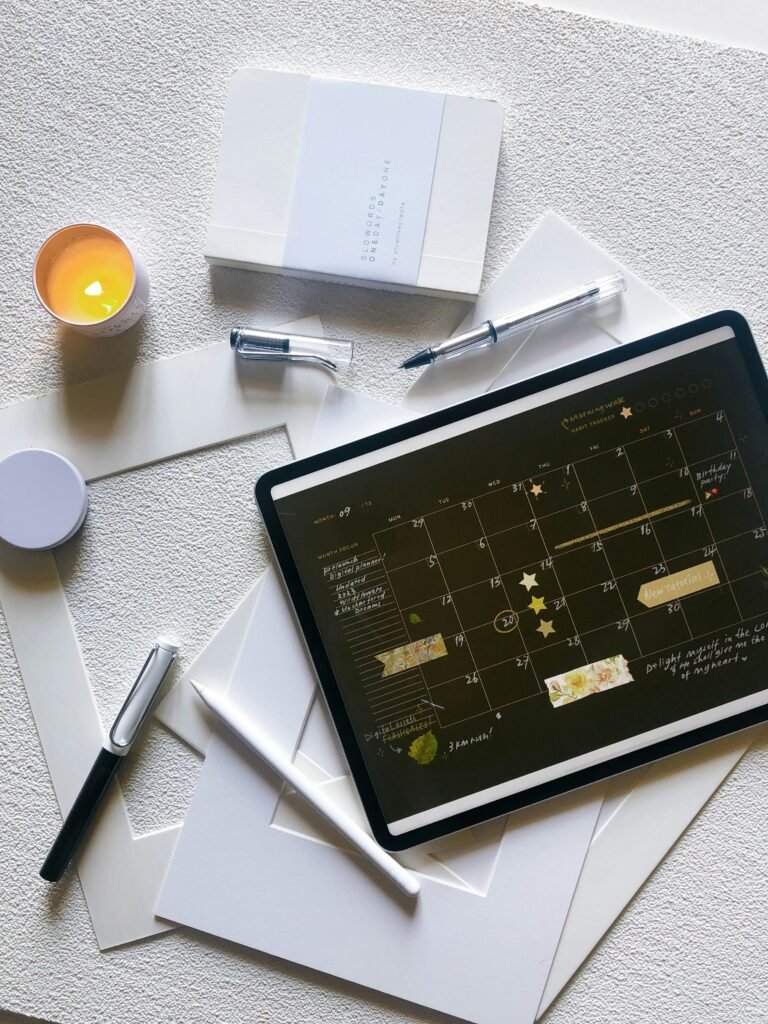
- The Process: Spend two minutes looking at your digital hub. Move any “mental Post-it notes” into your task manager.
- The Logic: Once the information is in the system, your brain can stop “rehearsing” it overnight. This is the key to waking up without that immediate feeling of “What am I forgetting?”
The ROI: Reclaiming the First Hour of the Day
When the house is “Reset to Zero” and the Launchpad is staged, you reclaim your morning. Instead of being a “firefighter” putting out logistical fires, you are a CEO who starts the day on the offensive. You gain the “Quiet Margin” needed to exercise, read, or simply connect with your family over breakfast.
An effective shutdown isn’t about being perfect; it’s about being prepared. By investing 10 minutes at night, you buy yourself a calm, automated, and successful tomorrow.