The Zero-Waste Produce System: Reclaiming Your “Grocery Tax” with Smart Inventory
For most families, the “Crisper Drawer” in the refrigerator is actually a “Rotting Drawer.” It is the place where fresh intentions go to die. We buy organic spinach, expensive berries, and crisp peppers with the best of goals, only to throw them away five days later. In the US, the average family of four tosses nearly $1,500 of food a year—a “Waste Tax” that directly lowers your Family Wealth.
As the Household CEO, you need to stop viewing produce as “food” and start viewing it as Perishable Inventory. To manage this inventory successfully, you need a system that balances visibility, prep speed, and scientific storage.
The Science: Ethylene Gas and Humidity Control
The primary reason produce fails is a lack of “Environmental Control.” Most fruits and vegetables release Ethylene Gas as they ripen. If you store “High-Ethylene” producers (like apples and avocados) next to “Ethylene-Sensitive” items (like leafy greens and cucumbers), you are essentially accelerating the rot.
Furthermore, different items require different humidity levels. Leafy greens need high humidity (to stay turgid), while onions and garlic need low humidity (to prevent sprouting). By mastering these two variables, you can extend the life of your inventory by 50% to 100%.
Step 1: The “Prep-First” Protocol
The greatest barrier to eating healthy is the “Friction of Preparation.” If you have to wash and chop a pepper in the middle of a busy Tuesday, you probably won’t do it.
- The System: As part of your One-Touch Grocery Put-Away (Article 23), you must “pre-process” 80% of your produce.
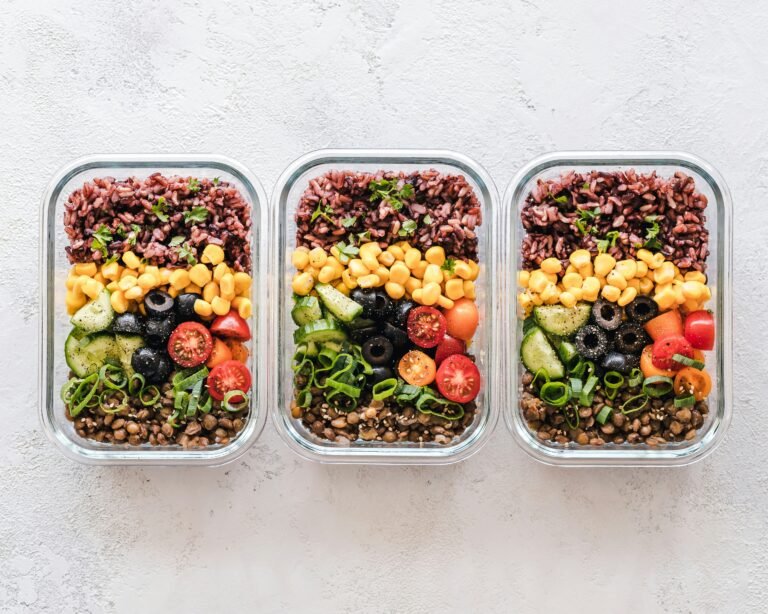
- The Execution: Wash, dry, and chop vegetables into uniform sizes. Store them in clear, glass containers at eye level.
- The Logic: When the inventory is “ready to use” and “visible,” its Consumption Velocity increases significantly. You are 5x more likely to eat the carrots if they are already peeled and sliced.
Step 2: The “Paper Towel” Hack (Moisture Management)
Moisture is the enemy of greens but the friend of storage.
- The System: For leafy greens and herbs, wash them, spin them dry, and store them in a container or bag lined with a paper towel.
- The Logic: The paper towel absorbs excess surface moisture (which causes slime) while maintaining the ambient humidity needed to keep the leaves crisp. This simple “Physical Buffer” can keep spinach fresh for up to 10 days instead of three.
Step 3: The “Eat-First” Bin (Visual Signaling)
Inventory management requires a “Priority Signal.”
- The Tool: Place a clear bin in the center of the fridge labeled “Eat First.”
- The Protocol: Any item that is nearing its peak ripeness or was pre-prepped more than 48 hours ago moves into this bin.
- The Goal: This provides a “Zero-Decision” starting point for snacks or the 15-Minute Meal Framework. When the Household CEO or the kids open the fridge, the “Next Best Action” is visually obvious.
Step 4: The “Final Exit” Strategy (Zero-Waste)
If an item is in the “Eat-First” bin and still isn’t consumed, it must move to a new “Value-Added” state:
- The Smoothie Bag: Wilted spinach, overripe bananas, and soft berries go into a bag in the freezer for morning smoothies.
- The Veggie Scrap Bag: Onion ends, carrot peels, and celery tops go into a different freezer bag to be boiled into a “Free” vegetable stock during your next Sunday Reset.
The ROI: Reclaiming Your “Hidden” Dividend
When you eliminate produce waste, you are essentially giving yourself a 10-15% discount on your grocery bill. That “found money” is an immediate boost to your cash flow that requires zero extra work—only a better system.
By treating your kitchen like a high-efficiency warehouse, you ensure that your family is fueled by the best possible nutrition without the “Financial Leak” of waste. You are no longer just “buying food”; you are managing a life-sustaining system with the precision of a CEO.